


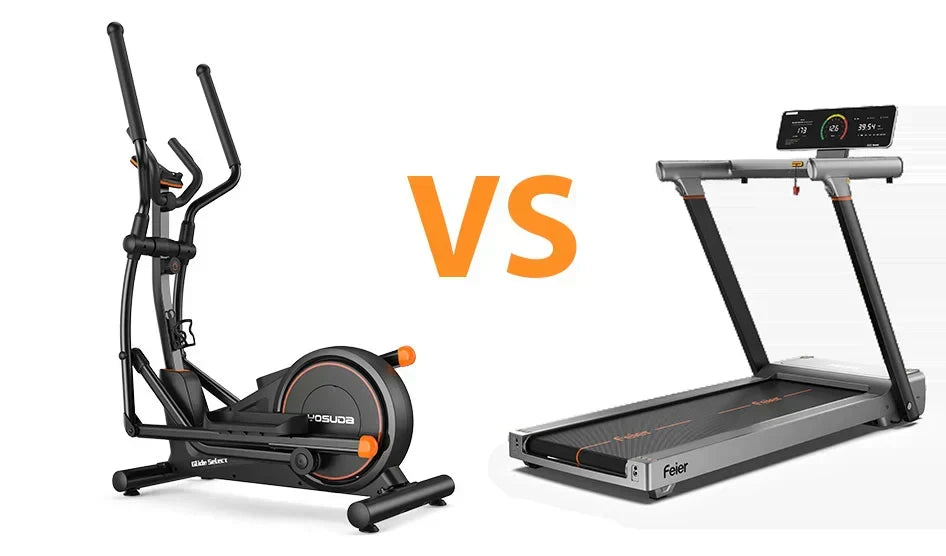
The Ultimate Showdown: Is an Elliptical Better Than a Treadmill for Your Knees?
Knee pain is one of the biggest reasons people give up on cardio. So the big question is, if you want to protect your knees, should you go with an elliptical or a treadmill? In this piece, we’ll break it down from different angles—how your body moves, what your training goals are, how recovery plays in, plus lifestyle and even the mental side of things.
Why Knees Matter
Think of your knees as the middle managers of your body. They don’t call the shots like your hips, and they don’t do the grunt work like your ankles, but they’re stuck in the middle carrying the load. Every step, jump, or run sends a shock straight through them. Add extra weight or old injuries, and the stress multiplies. That’s why so many people chase “low-impact” workouts.
Treadmill Basics
Treadmills are straightforward: you walk or run on a moving belt. It’s perfect for building speed, endurance, and even mental grit. But the pounding is real. Each strike sends force up your legs, and if your shoes are worn out or your form is sloppy, your knees will let you know. Some folks love treadmills because they feel “authentic”—pace, distance, incline, all measurable. Others can’t stand them, saying it’s boring or too rough.
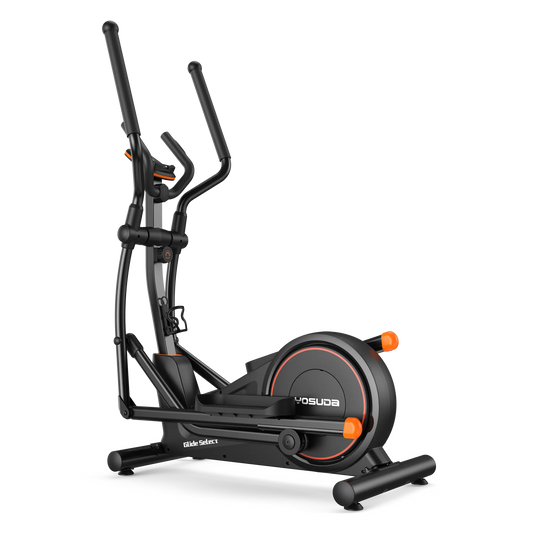
Elliptical Basics
Ellipticals flip the script. Your feet stay planted on pedals, so there’s no pounding. The motion is smooth, kind of like skiing mixed with climbing stairs. You can pump your arms too, making it more full-body. For knees, this is a big win: less shock, less pain. Downsides? Some machines feel awkward if the stride doesn’t fit your body, and yeah, it can get repetitive.
The Knee Showdown
So, treadmill vs elliptical for knees:
Treadmill = higher impact, more stress.
Elliptical = lower impact, smoother ride. If you’ve already got knee issues, the elliptical is the safer bet. But if you’re training for a race, a treadmill might be the tool you need.
Recovery and Rehab
Doctors and physical therapists often steer people toward ellipticals during rehab. After ACL surgery or meniscus trouble, pounding away on a treadmill is risky. Elliptical lets you rebuild strength without adding damage.
Mental Side
Knees aren’t just physical—pain messes with your head, too. If the treadmill hurts, you’ll avoid it. If the elliptical feels dull, you’ll skip it. Motivation matters. The best machine is the one you’ll actually use, even if it’s not “perfect” on paper.
Lifestyle Factors
Think about where you’ll use it. Treadmills are heavy and loud. Ellipticals are bulky but quieter. In an apartment, noise matters. Plus, treadmills usually need more upkeep.
Training Goals
If you’re chasing a 10K, the treadmill is closer to reality. If you just want to stay fit without pain, the elliptical wins. Match the machine to your goal, not just your knees.
Calories and Fat Loss
People ask: Does the elliptical burn fewer calories? Sometimes per minute, yes. But because it’s easier on your joints, you can go longer. That means total burn can match or even beat the treadmill. Sprint to torch carbs, cruise to burn fat—it’s a combo that works.
Real Stories
One guy at my gym switched to an elliptical after knee surgery. He said, “I miss running, but at least I can move without pain.” Another woman trains for marathons on the treadmill every day and says the knee soreness is worth it.
Science Check
Studies show treadmill running creates ground forces 2–3 times your body weight. Elliptical cuts that down because your feet stay planted. That’s why rehab programs often start with an elliptical.
Tips for Protecting Knees
Warm up before cardio.
Replace shoes often.
Adjust the stride on the elliptical.
Don’t ignore pain—switch machines if needed.
Comparison Table
|
Factor
|
Treadmill
|
Elliptical |
|
Knee impact
|
High, pounding
|
Low, smooth
|
|
Calories per minute
|
Higher
|
Slightly lower
|
|
Training use
|
Best for runners
|
Best for rehab, low-impact
|
|
Motivation
|
Feels intense, realistic
|
Easier, but can feel boring
|
|
Home use
|
Heavy, noisy
|
Bulky, quieter
|
Beyond Knees: Whole Body
Ellipticals don’t just save your joints—they get your arms and core in the game too. Treadmills, on the other hand, are all about legs, stamina, and grinding out miles. So if you’re chasing a more balanced, full? body session, the elliptical has the edge.
Conclusion
So, is the elliptical better than the treadmill for knees? In most cases, yeah—less pounding, smoother motion, safer if you’ve had injuries. But treadmills still matter, especially if you’re a runner training for races. The real takeaway: choose the machine that fits your body, matches your goals, and keeps you coming back. Because the best cardio isn’t about who burns the most calories today—it’s about staying strong and healthy enough to move again tomorrow.


Leave a Comment
We’d love to hear from you — your insights can inspire others!