


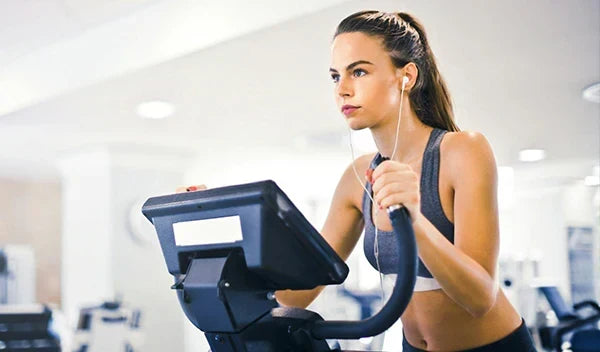
Why No Caffeine Before a Treadmill Stress Test?
Using caffeine before your treadmill stress test can produce inaccurate results; therefore, it is essential to avoid caffeine consumption.
Imagine preparing for a treadmill stress test, during which medical professionals evaluate your cardiovascular health by watching how well your heart works under physical strain. But hold on—there's a big question before you get on the treadmill: Should you forgo your morning coffee before the test?
A Treadmill Stress Test: What Is It?
A treadmill stress test identifies heart activity during physical exertion as it operates as a diagnostic tool known officially as an exercise stress test. Under stress test conditions, the heart function is evaluated to provide meaningful information about your cardiovascular system.
Purpose:
A treadmill stress test enables healthcare providers to detect heart conditions that remain undiagnosed during passive periods. Coronary artery blockages, arrhythmias, exercise-precipitated chest pain, dizziness, and shortness of breath are all detectable conditions through this test. Medical professionals use this method to detect heart disease because it evaluates a patient's exercise capacity and shows heart stress.
Procedure:
You will need to complete treadmill exercises as part of the examination. The treadmill test progresses from easy to difficult as its speed and slope levels rise progressively during the examination. Your heart rate and blood pressure measurements, as well as ECG data, will be monitored using tracking equipment during the exercise.
The medical staff will perform the test until either the pre-established heart rate target is met or when patients start to display symptoms prompting regression. Doctors monitor your heart activity during the test to gather essential results that support cardiovascular evaluation.
The Function of Coffee in the Human Body
Men and women consume the stimulant caffeine through coffee and tea, and multiple other drinks, which have major effects on their cardiovascular systems. A deep understanding of its effects is essential since people need to know about it before scheduling a treadmill stress test.
How Caffeine Affects the Cardiovascular System
Stimulation of the Central Nervous System (CNS):
Through the stimulation of the CNS, the body triggers the adrenal gland's release of adrenaline (epinephrine). The fight or flight response arises from the increased adrenaline that causes temporary increased heart rate and blood pressure.
Increase in Heart Rate:
The American Heart Association (2022) indicates that caffeine interferes with the heart rate in people without caffeine consumption habits. Caffeine intake before treadmill stress tests could trigger mistaken cardiovascular readings due to elevated results.
Elevation in Blood Pressure:
When blocking adenosine in the blood vessels, caffeine creates both increased heart rate and vessel constriction. The pressure inside the blood vessels rises mainly in people who avoid drinking caffeinated beverages. Sensitive individuals experience the most substantial blood pressure elevations, which may result in a systolic pressure increase of up to 10 mmHg (WebMD, 2023).
Alteration in Blood Flow and Heart Performance:
The active ingredient, caffeine, adjusts the sequence of blood dispersion throughout the heart. When the heart receives stimulation, caffeine raises its workload to make it operate faster with increased effort. The stress test results might show irregular heartbeats known as arrhythmias following the temporary effects of caffeine in specific patients (National Institutes of Health).
Duration of Effects
Caffeine’s Half-Life:
The human body requires between 4 and 6 hours to eliminate half of an ingested amount of caffeine, according to the National Institutes of Health. Different factors, including an individual's metabolism, age,e along with the amount of caffeine they consume, will determine how long these effects will stay in their bodies.
Sensitivity to Caffeine:
People who are new to caffeine experience more potent effects from this substance. These individuals will experience caffeine remaining in their bodies longer, which results in prolonged elevation of heart rate and blood pressure. The impact of caffeine on habitual users tends to decrease with time, but it remains detectable according to the American Heart Association.
The Impact of Caffeine on Stress Test Results
The effects caffeine has on blood pressure and heart rate through artificial stimulation may produce incorrect outcomes from treadmill stress tests. Caffeine acts as an external stimulant that can produce misinterpretations during treadmill stress tests because the procedure measures heart responses through physical work. Higher test results will sometimes mislead medical experts into delayed coronary artery disease diagnoses.
Caffeine's Long-Term Impact
Tolerance Development:
When someone repeatedly consumes caffeine, their body develops tolerance that reduces their response to its impact. People who consume caffeine will notice their heart rate and blood pressure elevation, but at reduced magnitudes. People who drink caffeine regularly could experience less significant test consequences during treadmill exercises, but their cardiac function risk remains unchanged for individuals with preexisting heart disorders.
Potential for Heart Palpitations:
Caffeine produces heart palpitations along with irregular heartbeats as a side effect in specific individuals. Such temporary heart palpitations during a stress test might adversely affect heart stress responses, leading to incorrect testing outcomes. An irregular heart rhythm can cause heart disease symptoms similar to arrhythmias and ischemia.
Why Avoid Coffee Right Before a Stress Test on a Treadmill?
Caffeine-induced stimulation affects the accuracy of results within treadmill stress tests. Medical experts strongly recommend that people abstain from consuming caffeine when undergoing a treadmill stress test for the following reasons:
Impact on Heart Rate and Blood Pressure
Artificial Elevation of Heart Rate:
Cardiac measures like heart rate and blood pressure experience significant effects from caffeine intake. Caffeine activates the central nervous system, leading to an accelerated heart rate. The stimulating effects of caffeine can mislead doctors from accurately determining between exercise-induced heart rate changes and caffeine-induced heart rate elevations.
Temporary Increase in Blood Pressure:
High blood pressure or hypertension makes no difference because caffeine leads to short-term blood pressure elevation. A false reading could develop during the stress test because caffeine might hide hypertension indicators or produce false signs of cardiovascular stress.
Mimicking or Masking Symptoms:
Medical assessments sometimes confuse heart disease symptoms with symptoms that the consumption of caffeine triggers, such as irregular heartbeat, along with feelings of dizziness and uncomfortable chest sensations. The exercise response of the body can become difficult to monitor because caffeine serves to hide these natural signals, which indicate actual cardiac problems.
Interference with Test Medications
Interaction with Stress-Inducing Medications:
The treadmill stress test requires specific drugs called adenosine or regadenoson to create heat stress and simulate effects like exercising. These medications create heart stress following the dilation processes that affect blood vessels to simulate exercise conditions.
Caffeine as an Adenosine Antagonist:
Consuming caffeine leads to decreased adenosine receptor activation, which reduces the effects of tested medications. The disruptive effect causes an incomplete representation of stress conditions during testing, which produces wrong assessment data, thus endangering accurate treatment decisions.
False Readings and Risk of Misdiagnosis
Increased Risk of False Positives or Negatives:
The combination of increased heart rate and blood pressure from caffeine consumption can cause incorrect results with stress tests by providing either incorrect alarms of heart troubles that do not exist or mistakenly hiding the actual conditions.
Need for Retesting:
A tension test with inaccurate outcomes will need repeat assessments, which increases healthcare costs, delays medical diagnosis, and causes inconvenience to patients.
People need to stay away from caffeine 12–24 hours before their test because it allows doctors to detect their real cardiovascular health without stimulant interference.
How Much Time Should You Avoid Caffeine Before the Test?
A treadmill stress test requires no consumption of caffeine to deliver proper results. The following information outlines the necessary period you should avoid caffeine intake:
General Recommendation
12–24 Hours Before the Test:
Medical authorities state that patients should eliminate caffeine from their bodies 12 to 24 hours ahead of a treadmill stress test. This sufficient time duration allows the body to fully process and eliminate caffeine, thus reducing its effects on heart rate and blood pressure measurements during the stress test.
Specific Guidelines
Follow Your Doctor’s Instructions:
Your doctor or testing facility can provide additional guidelines regarding caffeine consumption. Your medical condition, along with your medications and the chosen stress testing method, plays a role in determining the recommended duration before testing.
Check for Hidden Sources of Caffeine:
Caffeine appears not only in coffee and tea but also in other substances. You can find this in energy drinks, chocolate, and specific medicines, along with numerous types of flavored soft drinks. Always study the labels of beverages and food products to prevent accidental intake of caffeine.
Typical Caffeine Sources to Avoid
Before undergoing a treadmill stress test, patients should be aware that all caffeine sources are relevant, even if coffee is a common example. The substance caffeine appears in multiple foods as well as beverages, and also in different medications. The following are a few sources of caffeine:
Coffee
- Regular Coffee provides the majority of caffeine in daily consumption while delivering 95–200 mg of caffeine through each serving.
- Decaffeinated Coffee provides a negligible amount of caffeine since it contains between 2 and 15 mg per serving.
Tea
- Black, Green, and White types of tea may contain 15 to 70 mg of caffeine within one regular cup serving.
- Yerba mate and guayus, present in herbal teas among other blends, deliver caffeine content.
Energy Drinks
- Each serving of energy drinks contains 70–300 milligrams of caffeine according to official labelling. The caffeine content in popular brand products tends to be very high.
- The caffeine ranges between 30 and 50 milligrams per soda can in cola-based drinks.
Chocolate and Cocoa
- Dark Chocolate contains 20–70 mg of caffeine per 1-ounce serving.
- Milk Chocolate brings about 5–15 mg of caffeine content to each serving.
- Hot cocoa, together with a chocolate-flavored dessert, contains limited amounts of caffeine.
Some Supplements
- Various OTC pain relievers use 30–65 mg of caffeine to improve their pain-relieving properties.
- Some flu and cold medications include caffeine as an ingredient to avoid sleepiness in patients.
- Weight loss pills, together with pre-workout supplements, commonly contain excessive amounts of caffeine to provide greater energy.
Getting Ready for the Stress Test on a Treadmill
The treadmill stress test requires proper preparation, so healthcare providers can achieve correct results. The following guidelines will assist in your best performance:
Hydration
- Before the test, drink an ample amount of water because it helps maintain proper hydration, according to medical experts.
- Coffee, tea, sodas, and energy drinks should be strictly avoided since these substances affect both heart rate and blood pressure.
Diet
- A small, minimal meal can be consumed after your doctor gives permission, but only with enough time before the scheduled test. Focus on easy-to-digest foods.
- Food products with chocolate, specific protein bars, and coffee-flavored desserts must be avoided because they contain camouflaged caffeine.
Clothing
- The clothing you need to wear must be comfortable in terms of breathability, together with minimal restrictions.
- Supportive footwear made for treadmilling includes proper athletic shoes.
Medication
- Check with your doctor about current medications that alter heart rate or include caffeine content in your medications, including certain pain relievers.
- The physician will tell the patient to hold or alter their medications before the examination.
Following these procedures will lead to correct test outcomes together with operational efficiency.
FAQs
Can I have decaf coffee before a treadmill stress test?
Before the treadmill stress test, it is advisable to stay away from decaf coffee because it contains caffeine (although in minimal amounts).
What would happen if I unintentionally took caffeine before the test?
Intake of caffeine by mistake will cause blood pressure and heart rate elevation, which could produce misleading test results requiring another test. Always notify the testing center about unexpected caffeine consumption.
How long does the body react to caffeine?
Ingested caffeine stays in your bloodstream for four to six hours, although its impact is most prominent in the first 60 minutes.
Conclusion
If you have a treadmill stress test, it's advisable to stay away from caffeine. A treadmill stress test may give incorrect results when patients consume caffeine because the substance artificially increases heart rate and blood pressure. Before the test, the medical recommendation is to eliminate caffeine intake for a period of 12 to 24 hours.


Leave a Comment
We’d love to hear from you — your insights can inspire others!