


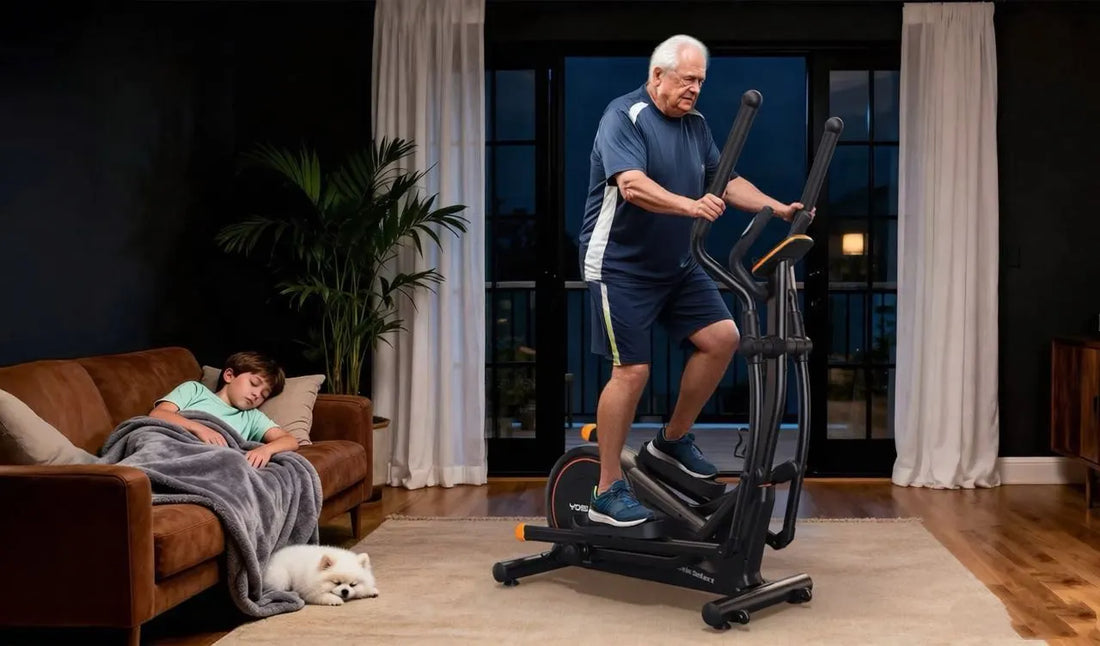
The Senior’s Guide to Safe and Effective Elliptical Training
The elliptical isn’t that “boring machine” in the corner of the gym. For seniors, it’s actually one of the safest and most joint-friendly ways to stay active. The elliptical can help you to move more easily, stay independent, and even enjoy the process. It’s not about pushing like a pro athlete; it’s about staying safe, steady, and feeling good every single day.
This article breaks some things down in plain language, with no fancy jargon, showing how to warm up right, keep good posture, and use simple routines that build balance, stamina, and strength without overdoing it. From gentle starter sessions to fun resistance mixes, the workouts are designed to make you feel confident instead of worn out.
Why Seniors Should Care About the Elliptical
Let’s face this: as we get older, our bodies don’t bounce back the way they used to. Knees ache, hips get stiff, and sometimes even walking up the stairs feels like doing sports. That’s why the elliptical is such a nice choice: it’s low-impact, joint-friendly, and still gives you that heart-pumping cardio without the pounding of running.
As seniors, staying active isn’t just about burning calories. It’s about keeping mobility, balance, and independence. The elliptical can help with all of these if you use it the right way.
First of all: setting yourself up for success
Before we delve into sports, let’s talk safety first. Be honest, the last thing you want is to trip, strain, or feel dizzy halfway through.
Warm up: At least spend 5 minutes at a very easy pace. Think about it as telling your body, “Hey, we’re ready to move.”
Check your posture: Stand tall, shoulders relaxed, core engaged. Don’t hunch over the handles like you’re clinging for dear life.
Start slow: If you’re new, keep resistance lower. You can always turn up later.
Hydrate: Even indoors, you’ll sweat more than you think. Keep water closer to you.
Listen to your body: A slight challenge is good. Sharp pain or dizziness? Stop immediately.
The Gentle Starter
Perfect for beginners or anyone easing back into exercise. Go at a comfortable pace for 2 minutes, then slightly increase resistance for 1 minute. Repeat this for 20 minutes.
It’s simple, safe, and builds confidence. You’ll finish feeling energized, not exhausted.
The Balance Booster
Every 3 minutes, let go of the handles and just use your legs. Keep resistance low so you don’t wobble. Alternate between hands-free and hands-on for 20 minutes.
This trains your balance and core stability. Two things seniors really need to prevent falls in daily life.
The Heart-Healthy Interval
Alternate between 1 minute of moderate effort and 2 minutes of easy recovery. Do this for 25 minutes.
Intervals keep your heart rate moving up and down, which is excellent for cardiovascular health. Plus, the recovery periods make it manageable.
The Endurance Builder
Pick a steady pace you can maintain for 30 minutes. Don’t push too hard; this is about consistency.
It builds stamina for everyday activities like walking longer distances or keeping up with grandkids.
The Strength & Stability Mix
Increase resistance for 2 minutes (like climbing a hill), then lower it back down for 2 minutes. Repeat for 20–25 minutes.
Resistance challenges your muscles, especially your legs and glutes, while still being joint-friendly.
The Mental Side of Training
Exercise isn’t just physical; it’s mental. Seniors often struggle with motivation, especially if workouts feel intimidating. The elliptical can be a safe space: no traffic, no uneven sidewalks, no weather excuses. Put on your favorite music, audiobook, or even a podcast, and suddenly the time flies.
Weekly Plan for Seniors
Here’s a simple schedule to keep things fresh:
Monday: Gentle Starter
Wednesday: Balance Booster
Friday: Heart Health Interval
Saturday: Endurance Builder
Sunday: Strength & Stability Mix
That’s five days of safe, effective movement without overdoing it.
Conclusion
The elliptical isn’t just for young gym rats—it’s a fantastic tool for seniors who want to stay active without risking injury. With the right approach, it can help maintain independence, boost heart health, and even improve balance. The key is to keep it safe, keep it fun, and keep it consistent.


Leave a Comment
We’d love to hear from you — your insights can inspire others!