If you've never been to the gym before, you might feel intimidated when you first step into one because you don't know the names of the equipment or how to use it, among other things. This article is going to help you with all these curious queries.
Beginner Fitness Tips
What To Wear and Take with You
If you want to really power up and perform at your best during your training sessions, you need to be prepared. Here's a list of gym essentials you'll need in your gym bag.
- Gym-friendly training gear (avoid jeans or replica shirts)
- Sneakers (sturdy sneakers are best; avoid flimsy canvas shoes)
- Sweat towel (to wipe down equipment after use)
- Towel and shampoo (for post-workout shower)
- Post-workout snacks
- Water bottle
Warming Up
The next most important thing is to warm up. If you feel uncomfortable when you first visit the gym, your first instinct is to jump right away. Maybe try proving your worth using a treadmill or weight machine. But that's a beginner's mistake. One of the most important parts of a good workout is a proper warm-up.
Warming up is very important because it prepares your body for the demands of training, loosens muscles, and reduces the risk of injury. This also means you're less likely to strain your muscles during exercise, minimizing the risk of lactic acid buildup that can cause cramps.
Gym Equipment You Need to Know
The exercise equipment in the gym is mainly divided into aerobic and anaerobic areas. Aerobic exercise can help you improve your endurance, enhance your physical fitness, and also improve your mood, maintain your figure, etc. Anaerobic exercise can build muscle and is also very helpful for increasing bone density, thereby reducing the risk of osteoporosis.
At present, two popular aerobic exercise equipment are the treadmill and the elliptical machine. Using the treadmill, you can control the speed and slope of your walking or running on the running belt through the console, and increase the difficulty of the exercise by increasing the slope. Compared to the treadmill, the elliptical machine realizes the elliptical movement by pedaling to drive the flywheel. This movement coincides with the natural running of people and has less impact on joints. At the same time, it can exercise your arms.
In the aerobic area, there is also a stair climber, which allows you to do stair climbing exercises without having to look for stairs, which is very convenient.
In addition to aerobic exercise equipment, you may also see upper body strength training equipment - the chest press machine. You sit on the seat of the chest press machine, with your back against the cushion, hold the handle, and straighten your arms naturally, level with your chest. Then, you push the handle forward with force to apply pressure. This process can exercise your pectoral muscles, deltoid muscles, and triceps muscles.
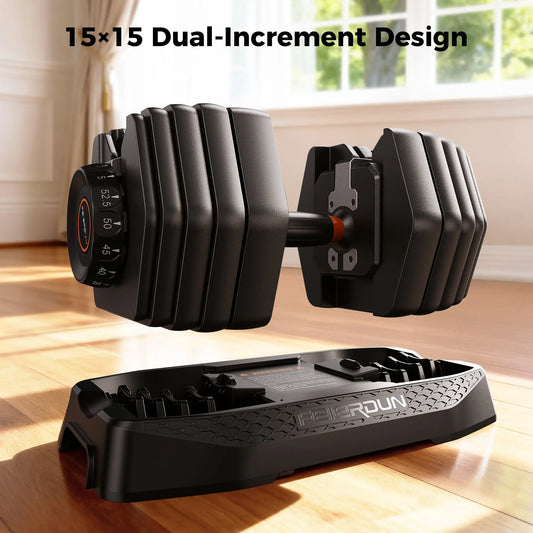
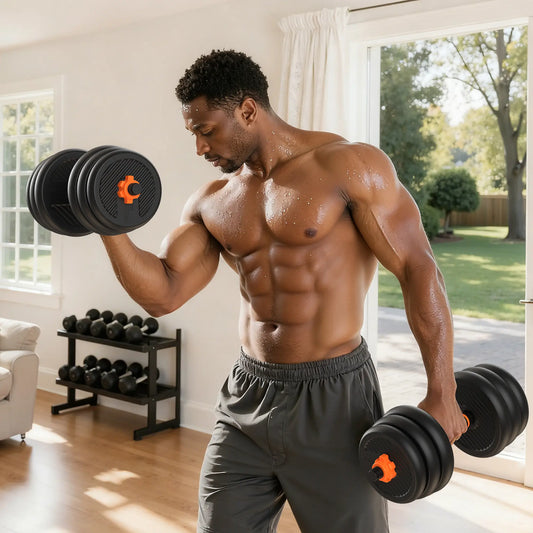
In addition to the above-mentioned, there are also cable pulley systems, dumbbells, barbells, medicine balls, etc.
Quick Tip: It’s a good idea to ask a trainer to show you how each machine works, so you learn proper form to avoid injuries. Take it slow until the movements feel comfortable. Have fun exploring what exercises you like best!
What Should Beginners Consider When Creating a Gym Workout Plan?
Making a plan for your gym workouts can help when you're just starting. It helps you set clear goals for what you want to achieve. Here are some simple steps that can help you create an effective customized plan for your body's needs:
Think About Your Goals
Before you start, decide what you want to achieve. Do you want to feel stronger, lose weight, or get better at a sport? Knowing your goal helps you pick the best exercises.
Choose a Good Mix of Moves
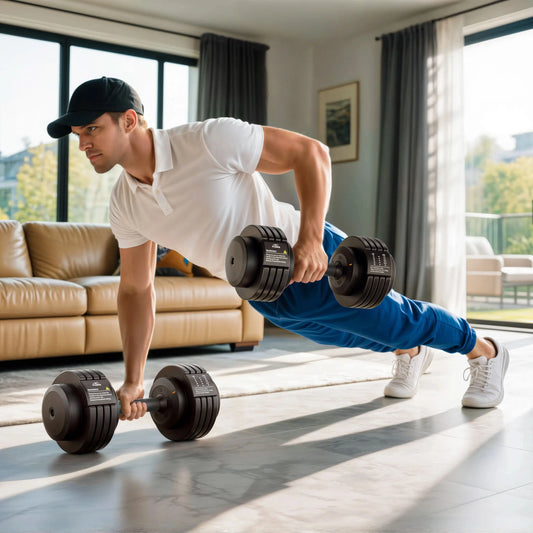
Select some exercises that work all the major muscle groups, like your arms, back, chest, legs, and core. Things like squats, pushups, and planks hit multiple muscles at once.
Schedule Your Workouts
How many times per week can you realistically exercise? Try to go 3 times a week to start, and pick which days suit your schedule best.
Start with the Basics
When you're new, keep it simple. Do 2-3 exercises per workout that you can focus on mastering before adding more.
Don't Go Too Heavy Too Fast
Lift a weight you can control for your reps instead of what's heaviest. Form is more important than how much you lift at first.
Write It All Down
Tracking what you do in a notebook or app helps you see your progress. Note exercises, reps, and sets, and how exercises feel.
Keep Showing Up
Sticking to your plan is key to getting results. Don't get frustrated if you miss a day—just get back at it.
Hopefully, this has eased your pre-gym anxiety. Take that first bold step and start your fitness journey!